


19 Jan How to Plan a Thailand Islands Itinerary
Designing a multi-island itinerary across Thailand promises romance but demands logistics. Ferries rarely sync with accommodation check-ins, and beach clubs despise suitcases on the sand. You lose the ability to make spontaneous detours when you carry too much weight. Successful travel requires strategic planning that prioritizes mobility over possession, allowing you to absorb each island’s character rather than managing your inventory.
Thailand’s Island Clusters
Thailand's islands divide into distinct zones that require specific navigation strategies. The Andaman Sea on the western coast hosts Phuket, Phi Phi, and the Similans. The Gulf of Thailand protects Samui, Phangan, and Tao in the east. These aren’t just marketing terms; they are separate logistical zones with unique weather systems and ferry networks.
Travelers frequently underestimate the distances here. Getting from Koh Samui to Phuket involves a ferry to the mainland, ground transport across the peninsula, and another boat. This reality makes the choice between hauling everything versus using a temporary storage locker at strategic transit points worth analyzing. Services like Qeepl appeared because travelers realized that beach-hopping with full luggage turns an adventure into an endurance sport.
The Andaman Arc
Phuket functions as the commercial anchor and departure hub for the region. The Phi Phi islands lie two hours southeast by ferry, while reaching Railay Beach in Krabi requires longtail boats from Ao Nang. The Similan Islands strictly operate on day-trip schedules and close completely during the monsoon season from May through October.
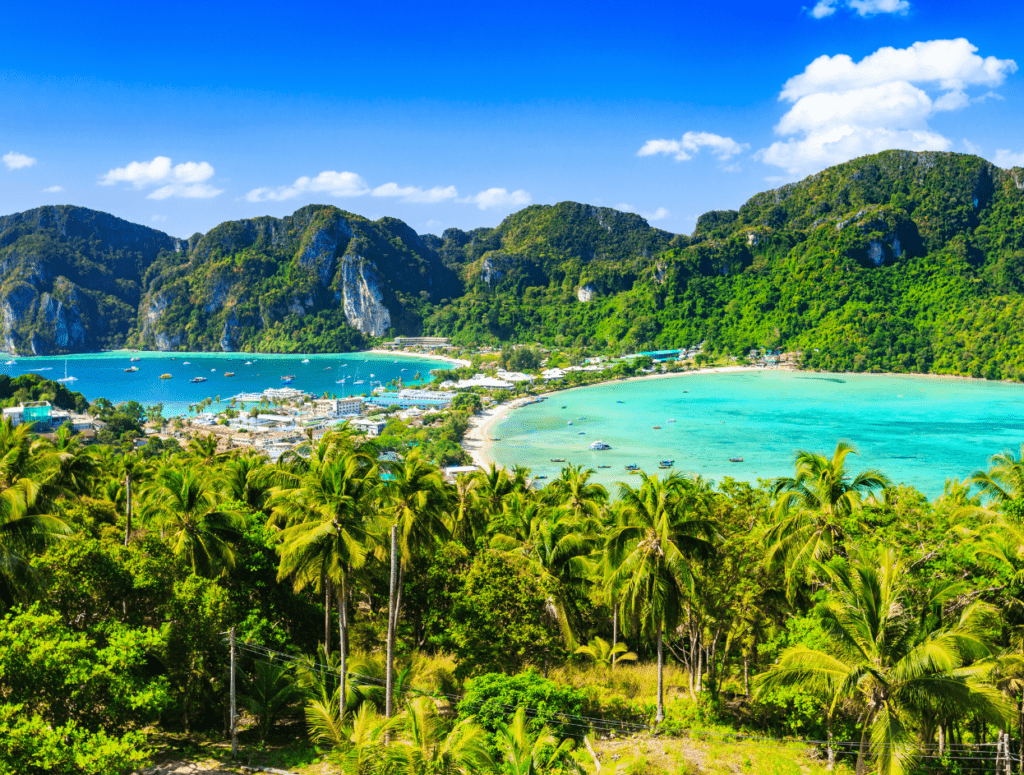
Weather dictates access here more strictly than in the Gulf. November through April ensures calm seas and reliable ferry schedules. The monsoon season brings cancellations that can strand you or force sudden itinerary shifts.
The Gulf Triangle
Koh Samui, Koh Phangan, and Koh Tao create a tight formation connected by frequent daily ferries. Their proximity allows you to visit all three within a week, though each attracts a different demographic. Samui focuses on resorts, Phangan draws the party crowd, and Tao caters to divers.
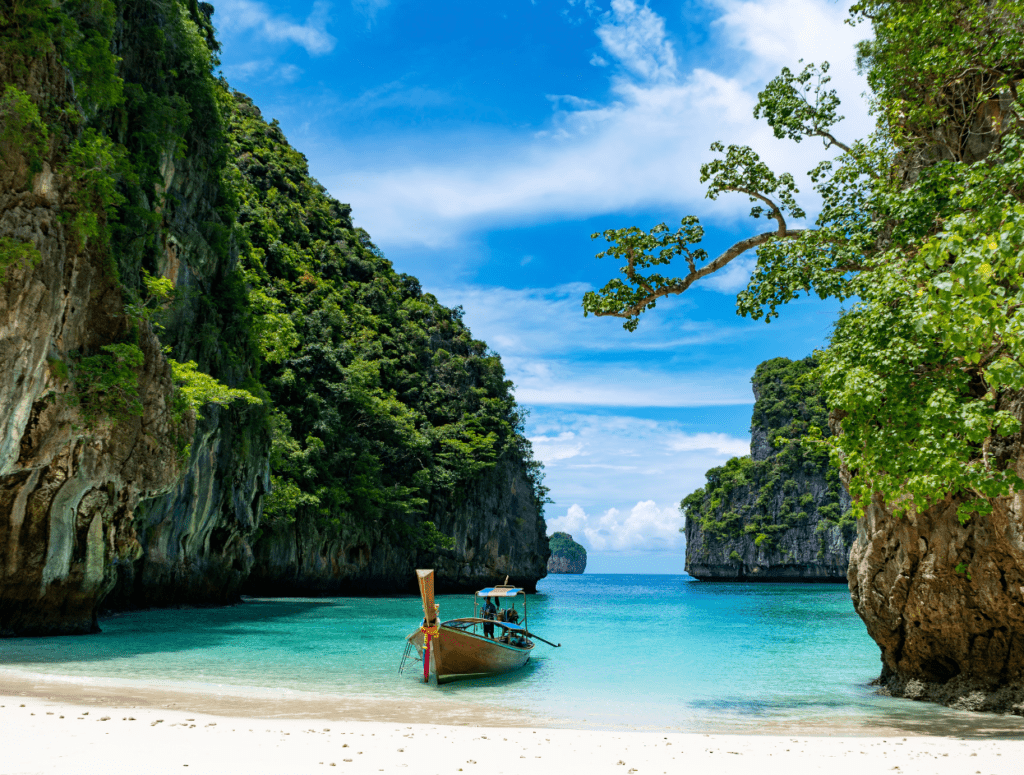
Catamarans service these routes multiple times daily in peak season. Journey times range from 30 minutes to two hours depending on the vessel type. This connectivity makes the Gulf triangle forgiving if you need to change plans spontaneously.
Timing Your Island Sequence
Most people plan routes chronologically based on flight arrivals, but reverse engineering your path works better. Start with the most remote or weather-dependent location and work backward toward major transport hubs to build safety buffers.
If you plan to earn a dive certification on Koh Tao, schedule it first. This ensures weather delays only cut into beach time rather than missed international flights. Completing the diving segment early also provides necessary physical recovery, as decompression protocols forbid air travel soon after your last dive.
Ferry frequency shifts with demand. January schedules offer double the options of September, and prices fluctuate to match. Designing your route based on optimal ferry connections before booking accommodation saves money and stress.
What Each Island Actually Offers?
Koh Samui
Samui acts as the most self-sufficient island thanks to its airport, malls, and hospitals. Chaweng Beach concentrates noise and tourism, while Lamai offers similar amenities with less intensity. You can circumnavigate the island on a scooter in three hours, which makes exploring feasible without moving hotels.
Dining prices run significantly higher here than on the mainland. Beachfront meals cost double what you pay inland. Samui’s developed infrastructure reduces authenticity but guarantees reliable Western amenities when fatigue sets in.
Koh Phangan
The monthly beach party defines Phangan’s reputation, yet the northern and eastern coasts remain quiet. Bottle Beach, accessible only by boat or hike, retains the isolation Samui lost years ago. You should visit only if you are comfortable with unpaved roads and occasional power cuts.
Accommodation ranges from basic bungalows to luxury resorts. This diversity allows budget backpackers and luxury travelers to coexist with almost no overlap in social spaces.
Koh Tao
Tao constructed its economy around diving, fueling competition that lowers prices for travelers. Certification packages here cost significantly less than in the Caribbean. The island is compact, meaning most dive sites are just short boat rides away.
Non-divers often find Tao lacking. The beaches generally rank below Samui or Phangan, and you can see the whole island in two days. Treat Tao as a purpose-driven stop rather than a general relaxation destination.
Managing Transitions Between Islands
Ferry terminals rarely provide good storage, and early checkout times often leave you stranded hours before a late boat. These gaps create friction. While you can tip shop owners to watch bags, this relies on social comfort and luck.
A smarter approach involves booking accommodation with late checkout or paying for an extra night purely to secure your things. Alternatively, schedule arrival ferries for the afternoon so you can enjoy a luggage-free morning at your departure island.
A day pack is essential for this rhythm. A waterproof bag carries your beach gear and a change of clothes, allowing you to check out and explore without hauling your main luggage.
Inter-Island Transport
Speedboats cost more than ferries but halve your travel time. The Lomprayah catamaran network offers the most reliable premium option connecting the Gulf islands to the mainland.
Longtail boats offer flexibility for reaching hidden beaches, but you must negotiate. Drivers often quote tourist rates far above local fares. Standard short trips should cost reasonable amounts per person, while private charters require negotiating for the entire boat.
Flying becomes sensible during monsoon transitions. Bangkok Airways flights between Samui and Phuket eliminate a grueling six-hour bus-and-ferry journey. For travelers with limited days, this time purchase justifies the price.
The Islands That Don’t Make Standard Lists
Koh Lanta offers infrastructure without density, attracting families and remote workers. Koh Kood remains remote and undeveloped, requiring effort to reach via Trat province.
Koh Chang has grown into a mix of backpacker huts and chain resorts. Its proximity to Bangkok attracts domestic tourists, creating a dynamic different from the south where international visitors dominate.
These alternatives reward you with space and authenticity, but they require deeper research and offer fewer English resources than the standard circuit.





No Comments