


18 Aug How to Plan a ‘Second-City’ Trip in Southeast Asia: Avoid the Crowds Without Missing the Experience
Southeast Asia itineraries have a habit of looking strangely similar.
Bangkok leads to Chiang Mai or an island. Vietnam means Hanoi, Ho Chi Minh City and perhaps Hoi An. Malaysia starts in Kuala Lumpur. Cambodia revolves around Siem Reap. There is nothing wrong with any of these places. They became popular because they offer plenty to see, good transport connections and an established tourism infrastructure.
But they can also dominate a trip. Spend a little longer looking at a map and another version of Southeast Asia starts appearing. There are regional cities where the night market is still primarily a place to buy dinner, where a bus station matters more than an airport terminal, and where the day’s most memorable activity may simply be wandering through an ordinary neighborhood.
Planning a second-city trip doesn’t mean avoiding famous destinations on principle. It means giving some of your time to places that don’t automatically appear at the top of every itinerary.

Start With the Journey, Not the “Hidden Gem”
The internet has made finding lesser-known destinations easy. Finding ones that actually fit your trip is harder.
A beautiful town three mountain roads away from anywhere else may look perfect in photographs. If reaching it requires a full day in each direction, however, it can be a poor choice on a 10-day
holiday. A less glamorous city sitting directly on a railway or bus route may give you far more time to explore.
Transport should therefore be one of the first things you investigate. Look at how locals travel between regional centers, not only at flights between capitals. Railways, coaches, ferries and minivans can reveal sensible stops that aren’t obvious when planning around international airports.
Digital preparation matters more once you start moving beyond major tourist centers too. Tickets, maps, accommodation details and banking services are increasingly handled through phones, while the reliability of public Wi-Fi and mobile connections can vary. Travelers who want to check how a VPN behaves on their own devices before departure can, for example, test CyberGhost VPN rather than trying to sort out unfamiliar software halfway through a journey.
The important question is simple: does the second city belong naturally on your route? If you have to fight the geography to include it, choose another.
Look for Places That Function Without Tourists
There’s a useful difference between a less-visited city and a destination created almost entirely around tourism. The former tends to have its own rhythm. People commute to work, students fill inexpensive cafés, families shop in markets, and restaurants don’t depend entirely on foreign customers. For a traveler, that ordinary activity is often precisely what makes the stop interesting.
Consider places such as Ipoh in Malaysia. It’s not a substitute for Kuala Lumpur, nor does it need to be. Its scale, food culture and historic streets offer a different experience. In Thailand, cities such as Lampang can add another layer to a northern itinerary rather than competing with Chiang Mai.
The same principle applies elsewhere. You aren’t searching for somewhere nobody has discovered. In fact, truly remote places can be difficult to visit responsibly without local knowledge. You’re looking for a functioning city that receives visitors without being shaped entirely around them.
That distinction also helps avoid the strange cycle in which travelers race to the latest “secret” destination because everybody online has suddenly started calling it secret.
Give the Second City Enough Time to Work
Famous attractions make short visits easy. Arrive in Siem Reap with one free day, and you already know what you’re probably going to do.
Second cities require a different pace. If the entire stop consists of arriving at 4 p.m., eating dinner and leaving at 8 a.m., you have mostly experienced a hotel and a bus station. Two or three nights give you room to find a morning market, return to a restaurant you liked, explore beyond the central streets or change your plans after talking to someone locally.
This is also where packing light becomes more than standard backpacker advice. Moving between trains, buses, ferries and small hotels is considerably easier when you aren’t dragging unnecessary luggage at every transfer. My complete guide to what to pack for a trip to Southeast Asia is a useful starting point, I think, especially if your itinerary involves several stops rather than one resort or city base.
More time in fewer places can also be kinder to your budget. Constant movement creates small expenses: station transfers, tickets, snacks on the road, luggage storage and the occasional taxi when a connection doesn’t work as expected. Adding another destination isn’t automatically better value simply because
accommodation there costs less.
Let Local Infrastructure Shape the Day
One advantage of major tourist centers is predictability. Tours leave every morning, English-language information is abundant, and booking platforms present dozens of activities.
A second-city trip asks for a little more flexibility. Instead of building every day around attractions, start with places that form part of local life. Markets are useful because they reveal when a city wakes up and what people actually eat. Railway stations and bus terminals can point toward nearby towns. A conversation at a guesthouse may produce a day trip you hadn’t considered.
This doesn’t mean arriving without doing any research. Check transport schedules, opening days and accommodation before you go. In smaller destinations, a museum being closed on Monday or the last bus leaving at 4 p.m. can genuinely change the day.
But leave gaps in the itinerary. Second cities work particularly well when you have enough time to follow something interesting without worrying that you’re falling behind schedule.
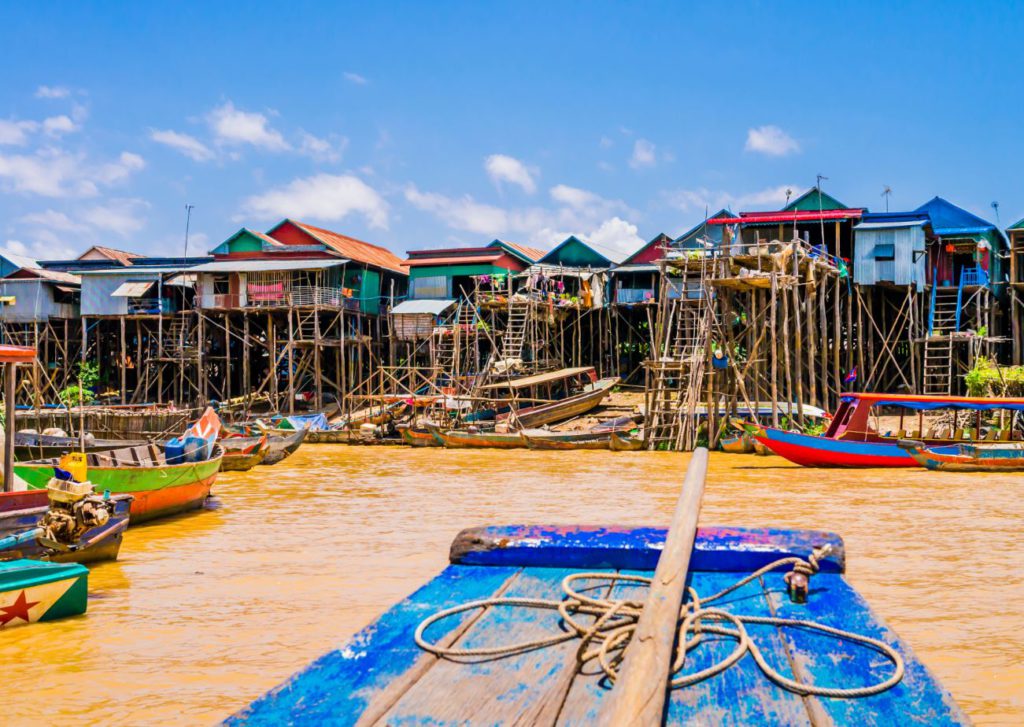
Let Local Infrastructure Shape the Day
One advantage of major tourist centers is predictability. Tours leave every morning, English-language information is abundant, and booking platforms present dozens of activities.
A second-city trip asks for a little more flexibility. Instead of building every day around attractions, start with places that form part of local life. Markets are useful because they reveal when a city wakes up and what people actually eat. Railway stations and bus terminals can point toward nearby towns. A conversation at a guesthouse may produce a day trip you hadn’t considered.
This doesn’t mean arriving without doing any research. Check transport schedules, opening days and accommodation before you go. In smaller destinations, a museum being closed on Monday or the last bus leaving at 4 p.m. can genuinely change the day.
But leave gaps in the itinerary. Second cities work particularly well when you have enough time to follow something interesting without worrying that you’re falling behind schedule.
Don't Turn Avoiding Crowds Into Another Checklist
There is a slightly awkward contradiction in alternative travel. The harder we try to find places nobody visits, the more likely we are to turn those places into the next checklist.
Popular destinations aren’t automatically bad experiences either. A traveler writing about his always-recommended cities to visit in Southeast Asia for Business Insider highlighted Phuket, Luang Prabang and Ho Chi Minh City — all established destinations, but places he valued for very different reasons. The lesson isn’t that famous cities should be replaced. It’s that popularity alone tells you very little about whether a place will work for you.
A useful itinerary can contain both.
Bangkok might still deserve four days because you want its food, temples and sheer energy. The difference is that you don’t then need to follow it with every other famous stop in Thailand. One less obvious regional city can change the tempo of the journey.
The same applies to Vietnam, Malaysia, Laos and the rest of the region. Think in terms of contrast rather than collecting destinations: large city and small city, coast and inland, busy and slow, established highlight and somewhere you knew almost nothing about before planning the trip.
Spend Where the City Actually Lives
Choosing a second city doesn’t automatically make a trip more sustainable or more beneficial to local communities. Where you spend your money still matters.
Locally run guesthouses, neighborhood restaurants, independent guides and markets provide opportunities to put more travel spending into businesses rooted in the destination. Public transport can also bring you into everyday parts of a city that tourist shuttle routes simply pass by.
There’s no need to turn every purchase into an ethical calculation. Just notice where your money is going.
The same awareness applies to behavior. A residential neighborhood isn’t an attraction simply because its old houses look good in photographs. Religious sites aren’t sets. Markets are workplaces. The appeal of a less-touristy city comes partly from being allowed to observe ordinary life, and that works best when visitors remember that ordinary life isn’t being staged for them.
The Best Stop May Be the One You Almost Left Out
The strongest second-city itineraries don’t feel like attempts to outsmart other tourists. They simply leave enough space for curiosity.
Keep the major destination you’ve always wanted to see. Then look at the route around it. Follow the railway line one stop farther. Check the city halfway between two places already on your itinerary. Find out where people go for a weekend rather than where international visitors fly for a week.
Some of those experiments won’t produce the highlight of the trip. That’s fine. Not every destination needs to. But occasionally you’ll find a city where you extend your stay for another night because you’ve discovered a food market you want to revisit, a nearby town you hadn’t known existed, or simply a pace that feels better than the one you left behind.
That isn’t missing the Southeast Asia experience. It’s often how the experience becomes your own.


No Comments