


26 Oct Second Passport vs Long-Stay Visa: Which Gets Backpackers More Visa-Free Access?
Backpackers planning years of movement through Southeast Asia eventually hit the same wall. Visas run out. Renewals get refused for reasons that feel arbitrary. Borders you crossed freely last year suddenly require a letter, a bank statement, or a sponsor you no longer have.
That wall is where the question of a second passport versus a long-stay visa actually starts to matter. One is a permanent legal status. The other is a conditional permission that a government can change, suspend, or decline to renew.
Neither is inherently better. They solve different problems, and understanding which one addresses your actual situation is the first real decision point.

Two Different Tools for Long-Term Travel Freedom
A second passport is a legal nationality you hold for life, barring renunciation of citizenship or a rare revocation. A long-stay visa is a permission slip tied to one country, one purpose, and one expiry date.
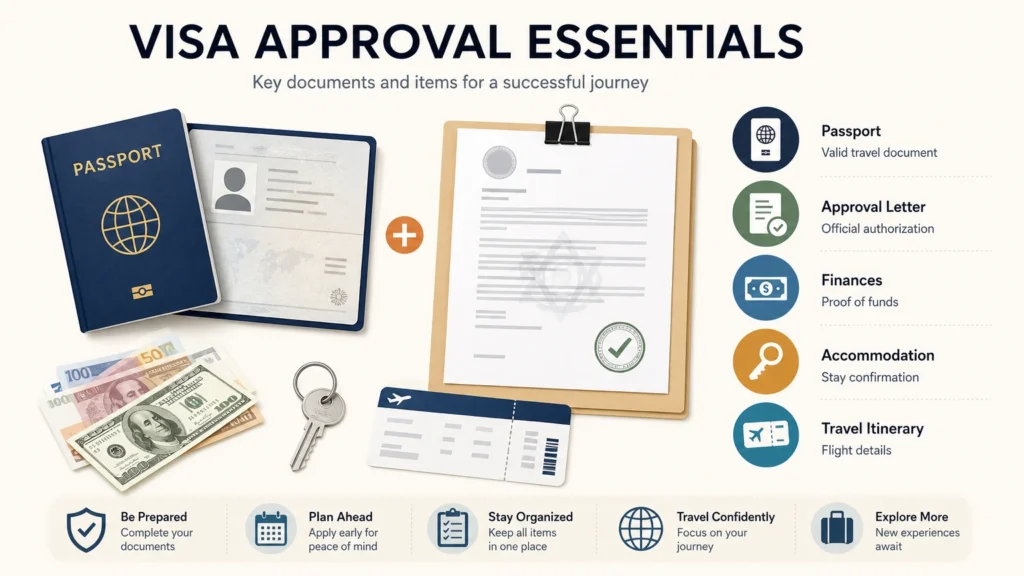
Both can extend how long and how far you travel. But they operate on different timelines, cost structures, and levels of permanence. A visa is cheaper and faster. A second passport is slower and more expensive, but it does not expire the way a visa does.
For travelers weighing citizenship by investment against a renewable visa, the real question is not which grants more stamps. It is which matches your actual life plan.
What a Second Passport Actually Gives You
Second citizenship and visa-free travel explained
Second citizenship grants a new nationality alongside your existing one, assuming your home country permits dual citizenship. That nationality carries its own travel document and its own visa-free travel access.
A Caribbean passport, for instance, can improve mobility into parts of Europe or Asia. It does not, however, guarantee unrestricted entry. Expect onward-ticket rules, proof-of-funds checks, and stay limits regardless of nationality.
How citizenship by investment speeds up the process
Citizenship by investment compresses a process that might otherwise take years of residency into a matter of months. Applicants contribute to a national fund or approved real estate instead of waiting out a naturalization timeline.
Programs such as St Kitts and Nevis citizenship by investment illustrate this well, offering a path to citizenship without years of physical residence, though eligibility requirements and due diligence checks still apply.
What a Long-Stay Visa Actually Gives You
Digital nomad visas, golden visas, and retirement visas compared
A digital nomad visa lets remote workers legally reside in a country while earning income elsewhere. A golden visa links a residence permit to investment, often property. A retirement visa ties status to pension income or savings proof.
Each is a residence visa, not a nationality. They grant the right to live somewhere, not a new passport or permanent voting rights.
Temporary residence vs permanent residency
Most long-stay visas start as temporary residence, renewable annually or every few years. Some eventually open a path to permanent residency after continuous years of legal stay, though rules vary sharply by country and change often.
Temporary residence rarely survives gaps in renewal, job loss, or changed program rules. That fragility is the core tradeoff against a second passport’s permanence.
Cost, Timeline, and Renewal: A Side-by-Side Comparison
Upfront investment vs ongoing visa fees
Caribbean citizenship by investment programs generally require a government contribution starting near US$200,000, plus due diligence, legal, and passport charges. That is a single payment for permanent status.
A long-stay visa costs far less upfront. Thailand’s Destination Thailand Visa, for example, requires government fees in the low thousands of baht alongside proof of financial means, not a six-figure contribution.
Processing time and renewal obligations
Processing time for citizenship by investment typically runs three to nine months depending on the program and file completeness. A long-stay visa can sometimes process faster, though timelines vary by embassy and category.
Citizenship by investment: one-time cost, months-long processing, no ongoing renewal once granted.
Long-stay visa: lower upfront cost, variable processing, recurring renewal tied to income, stay limits, or program rules.
This renewal gap matters most for backpackers planning a decade abroad. A renewable visa demands repeated paperwork and repeated risk of refusal. A second passport, once issued, does not.
Tax Residency and Reporting: What Changes With Each Option
A second passport and a long-stay visa affect taxes in very different ways, and backpackers often assume citizenship creates a tax bill. It usually does not.
Citizenship by investment countries in the Caribbean generally do not tax worldwide income for non-resident citizens. Holding a second passport from Dominica or St Kitts and Nevis, for example, does not automatically make someone a tax resident there.
Tax residency is determined by where you actually live, not which passport sits in your bag. Most countries apply a physical-presence test, commonly around 183 days per year, regardless of nationality.
A long-stay visa changes this calculation faster, because it often requires registering an address and sometimes reporting local income. A Thailand long stay visa holder working remotely may still owe tax at home, depending on treaties and source-of-income rules.
FATCA, CRS, and worldwide taxation basics
Two reporting frameworks matter here. FATCA requires foreign banks to report US citizens’ accounts to the US government, regardless of where that citizen lives. CRS, the Common Reporting Standard, does something similar among dozens of participating countries, sharing account data automatically.
Neither framework changes based on a second citizenship alone. Expatriates with dual citizenship still face reporting obligations tied to their original nationality or tax residency, not their newest travel document.
Anyone weighing financial diversification through a second passport should still consult a cross-border tax professional before assuming it changes reporting duties.
Reversibility: Can You Undo Your Decision Later?
This is where the two paths diverge sharply, and it deserves more weight than most comparisons give it.
A long-stay visa is conditional permission, and conditional permission can be withdrawn. Program rules change, income thresholds rise, renewal applications get refused, or a government suspends the scheme entirely. The traveler’s residence permit can simply end.
Citizenship by investment is different by design, though even these programs evolve. According to IMIDaily, St Kitts and Nevis plans to introduce a physical residency requirement as part of a broader citizenship by investment overhaul. Once naturalization is complete and the passport issued, existing status is generally permanent. It cannot be revoked for changing your job, missing a renewal deadline, or a policy shift years later.
Visa revocation risk vs permanence of citizenship
Long-stay visa: subject to renewal refusal, policy changes, income re-checks, and program closures.
Second citizenship: revocable only in narrow cases, typically fraud in the original application or serious criminal conduct.
Renunciation of citizenship, by contrast, is a voluntary act the holder controls. Governments rarely strip citizenship outright once due diligence has cleared it. That asymmetry is the real argument for durable mobility over cheaper, conditional access.
Which Option Fits Your Backpacking Lifestyle
The right choice depends less on budget and more on what kind of traveler you actually are.
The remote worker chasing digital nomad visas
If income comes from a laptop and a handful of clients, a digital nomad visa or long stay visa usually solves the immediate problem. It is cheaper, faster to obtain, and matches a lifestyle that may change again in two years anyway.
The long-term traveler wanting visa-free borders
Backpackers planning a decade of near-constant movement across Southeast Asia, the Schengen Area, and beyond often value visa-free travel more than any single country’s residence visa. A second passport widens that access permanently, without repeated embassy visits.
The investor building a geopolitical plan b
Some travelers are not optimizing for backpacking at all. They want a plan B residency or second citizenship as insurance against geopolitical risk, currency instability, or family relocation needs down the line. Investment migration serves that goal directly, where a temporary visa cannot.
A Simple Decision Framework Before You Commit
Before choosing either path, a few honest questions narrow the decision quickly.
1. Is the goal temporary flexibility abroad, or permanent, inheritable mobility for a family?
2. Can the budget absorb a six-figure contribution, or does a lower-cost renewable visa make more sense right now?
3. Does the home country allow dual citizenship without penalty?
4. How much does visa-on-arrival or visa-free access to specific regions actually matter to the itinerary?
5. Is there a long-term concern, such as political instability, driving the decision beyond travel convenience?
Travelers whose answers point toward permanence, family security, or long-term mobility usually lean toward citizenship by investment. Those optimizing for one or two years abroad typically find a long-stay visa sufficient.
For backpackers evaluating a second passport more seriously, speaking with Global Residence Index early helps clarify which programs fit a specific nationality, budget, and timeline before committing funds.
Getting Professional Guidance for Either Path
Either route involves real money, legal paperwork, and decisions that affect family relocation plans for years. Eligibility requirements differ by nationality, so generic advice rarely fits an individual case.
Global Residence Index works directly with government bodies and due diligence institutions across citizenship by investment and residency programs, including Caribbean passports and golden visa routes. The firm’s six-step process covers everything from pre-screening to post-approval support, with a reported 100% approval rate across 500+ clients.
Backpackers weighing a second passport against a renewable visa should get a clear, personalized cost comparison before committing. A short consultation often clarifies which path actually fits a given budget and travel pattern.

No Comments