


23 Dec Packing Essentials You Need for Smooth Philippines Liveaboard Trips
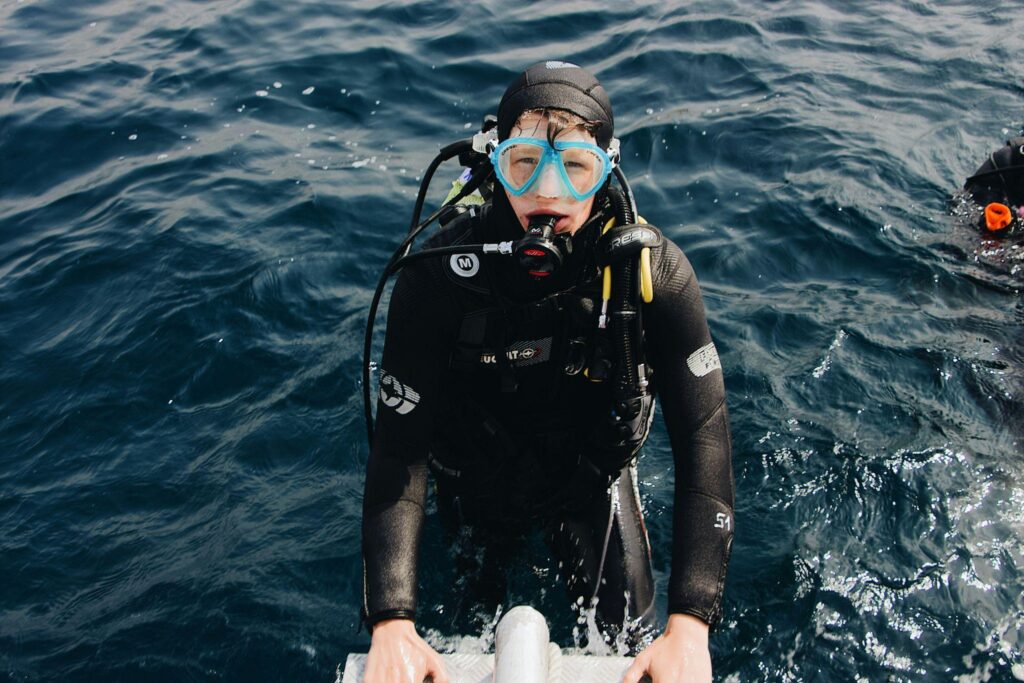
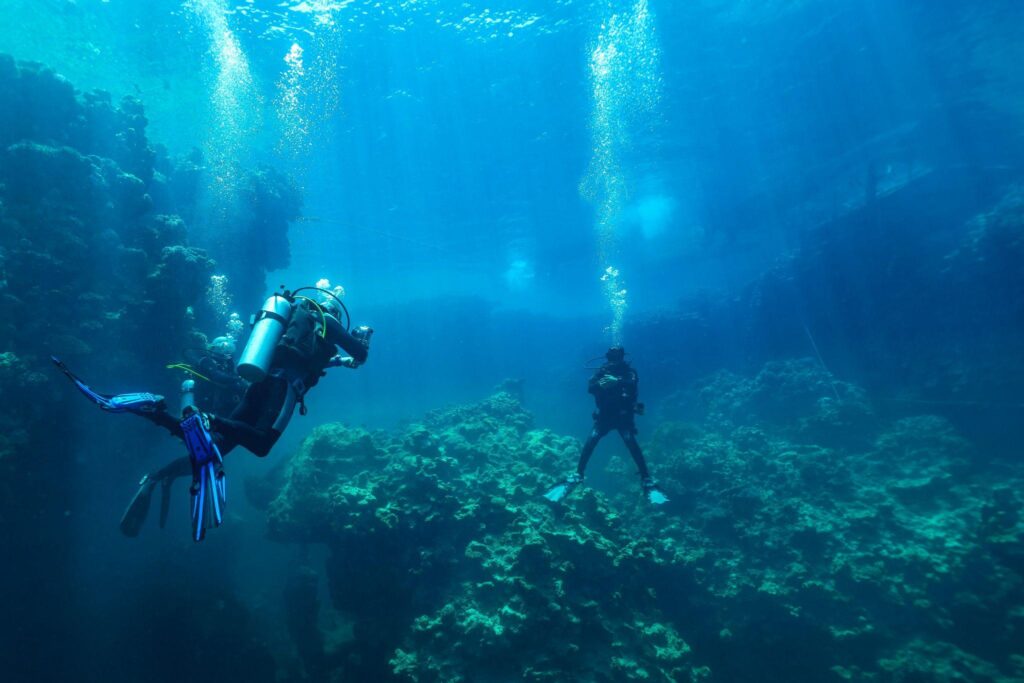
If you’ve booked a trip with Philippines liveaboard diving, you’re heading straight to the heart of the Coral Triangle—a diver’s nirvana. Whether your itinerary is focused on the pristine reefs of Tubbataha, the elusive thresher sharks of Malapascua, or the vibrant macro life of the Visayas, you are in for a profound experience. The good news is that the conditions are typically warm and tropical, with average water temperatures comfortably between 27 °C and 30 °C. This simplifies thermal gear, but it introduces different challenges: relentless humidity and the complex logistics of domestic travel to key Philippines liveaboard ports like Puerto Princesa or Cebu. The focus of this guide is to help you shift your packing mentality from heavy, cold-water gear to lightweight, quick-drying, and efficient essentials, ensuring your journey to and on your Philippines liveaboard is as smooth as the water on a calm day.
Gear Triage: Embracing the Tropics and Lightening the Load
The gear requirements for liveaboard diving Philippines differ significantly from those for cold-water destinations. Since the water is consistently warm, you should prioritize flexibility and sun protection over thick insulation. Your primary thermal protection recommendation is a 3mm wetsuit or, even better, a dive skin or rash guard worn under a shorty. This offers just enough thermal layering for four daily dives and crucial protection against minor stings and reef scrapes. While your personal mask, computer, and regulator are non-negotiable comfort items, consider whether you genuinely need those heavy, cumbersome jet fins and boots unless you have a specific performance requirement. This gear triage maximizes precious space for personal comfort items, which are far more crucial when battling the relentless tropical heat and humidity.
The Clothing Formula: Quick-Dry and Minimalist
Life aboard a Philippines liveaboard is defined by humidity and a revolving door between wet and slightly less wet. The crucial advice here is to pack only quick-dry, multi-functional apparel. Clothing should consist almost entirely of lightweight, breathable fabrics—think linen, cotton blends, or technical synthetics—to combat the constant moisture and multiple daily soakings. Pack 3 to 4 swimsuits to ensure you always have one dry one ready for the next plunge, a few rash guards for sun protection during surface intervals, and maybe one set of light evening wear. Do not underestimate the need for a light jacket or hoodie. The boat’s air conditioning, designed to combat humidity, can be unexpectedly cold, and the temperature contrast after a warm dive or during a windy evening on the sundeck can be jarring.
The Paperwork and Safety Nexus: Don’t Forget the Basics
This section is strictly administrative, but critical for smooth travel on liveaboards Philippines. All divers must meticulously pack their passport, ensuring it has at least six months’ validity remaining, along with their physical Dive Certification Card(s) and their Dive Logbook. Many operators require sight of the logbook to confirm experience level for specific sites. Crucially, you must travel with comprehensive Dive and Travel Insurance documentation. Medical evacuation from remote areas like Tubbataha is complex and prohibitively expensive. In terms of mandatory personal safety equipment, a whistle and a Surface Marker Buoy (SMB) for all drift dives are absolute non-negotiables.
Essential Health and Hygiene: Battling the Elements
The tropical climate and intensive diving schedule place specific demands on your health and hygiene. The equatorial sun is merciless, so you must strongly advocate for reef-safe sunscreen and lip balm with high SPF. Why reef-safe? Because you’re diving in a protected marine environment, and the chemical versions are damaging. Divers are advised to pack swimmer’s ear drops and a decongestant, as the constant water exposure and pressure changes can irritate the sinuses and ear canals. Crucially, to mitigate the risk of dehydration during multi-dive days in the heat, highlight the need for a durable, reusable water bottle. Constant hydration is vital for both safety and preventing dive-related fatigue.
Electronic Efficiency and The Connectivity Gap
When preparing for Philippine liveaboard trips, it’s essential to recognize that connectivity will be sparse or nonexistent. Embrace this and minimize your electronic baggage. The main advice is to use a single, versatile charger, like a multi-port USB hub, to charge all devices simultaneously and reduce cable clutter. Since reliable Wi-Fi or cellular service is often unavailable, advise pre-downloading all entertainment—books, movies, and music—onto a single tablet or e-reader. For photographers and videographers, this is crucial: emphasize the absolute need for ample spare batteries and memory cards. You will be taking hundreds of photos, and the chance to recharge or offload data may be severely limited on remote stretches.
Final Space-Saving and Comfort Hacks
These final tips are niche but powerful strategies for maximizing comfort and storage in a small cabin. Strongly recommend using a soft-sided duffel bag or backpack instead of any hard suitcase, as the latter cannot be stowed. Using solid toiletries (shampoo and soap bars) is a fantastic hack—it saves space, reduces weight, and eliminates the anxiety of liquid leaks in your bag. These small choices have a high impact on your week.
Essential Comfort and Logistical Hacks:
1. Soft-sided luggage only (absolutely critical for easy stowing in tiny cabins).
2. Microfiber quick-dry towel (for personal use, though the boat provides standard towels).
3. Personal lock and key (for securing small valuables in the cabin drawer or locker).
Conclusion
The secret to a stress-free and enjoyable Philippines liveaboard trip is not found in excessive luggage, but in packing light and, more importantly, packing smart for the tropical environment. Success hinges on prioritizing thermal flexibility (3mm or less), meticulous solar protection, and ensuring you have all your essential safety documentation locked down. By shedding unnecessary bulk and guaranteeing you have the right minimalist gear, you eliminate cabin clutter and logistical stress, freeing your mind completely. This simple preparation ensures you can fully surrender to the unparalleled beauty of the Coral Triangle, spending your days in awe of the marine life instead of wrestling with a bulky, unnecessary suitcase.

No Comments