


19 Jul Complete Key Monastery Guide: History, Best Time to Visit; Travel Tips (2026)
High above the Spiti Valley, Key Monastery rises from a rocky slope, surrounded by brown mountains and sharp bends in the road. If you’re looking for a Key Monastery guide, it helps to begin with its fascinating history.
Ask about its age, and you’ll hear different answers. Some historians believe Key Monastery dates back to the 11th century, while others argue it was established in the early 15th century. Key Monastery has been rebuilt several times after invasions, fires, and earthquakes. That history is visible as you move through its narrow corridors, where older masonry sits alongside newer sections, each reflecting a different chapter in the monastery’s past.
You’ll probably remember more than the monastery’s history. People come to Key Monastery for the views, but most leave talking about the peaceful feeling they found there. In the morning, soft chanting fills the halls as monks quietly go about their day above the Spiti Valley. Don’t hurry through your visit. Sit for a while, take it all in, and enjoy the calm around you. Sit for a while, watch the monks go about their day, and take in the views across the Spiti Valley. Often, those quiet moments become the most memorable part of the visit. It’s no surprise that it features on almost every itinerary of Spiti Packages.
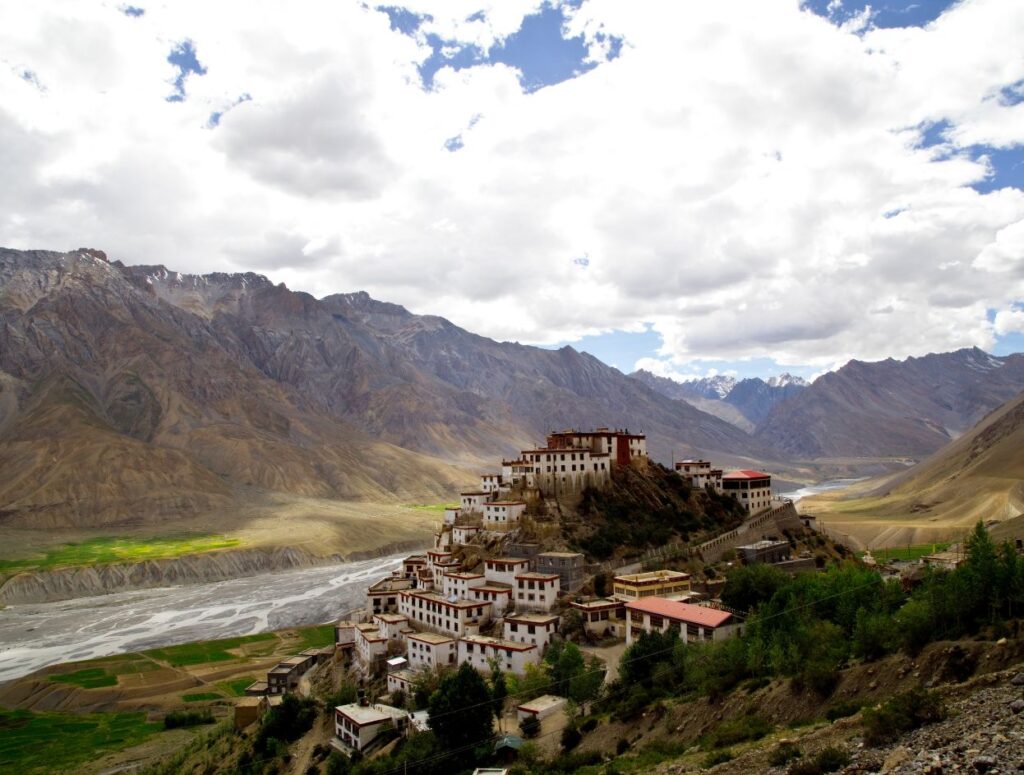
What to See at Key Monastery
1. Main Prayer Hall
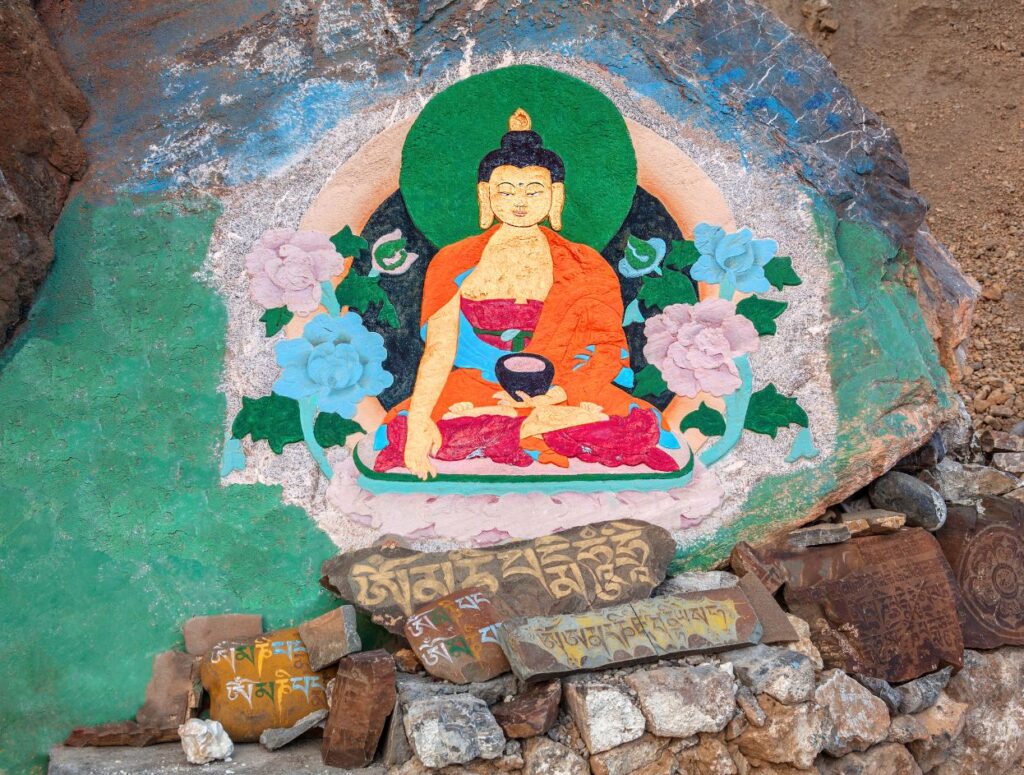
The Main Prayer Hall is where the day begins for the monks. Inside, prayers echo through the halls as monks gather for their daily rituals. Then your eyes adjust to rows of Buddha statues, bright thangkas, butter lamps burning in the dim light, and old murals that have watched over these halls for hundreds of years. If you’re following a Key Monastery tour guide, this is usually the first stop because it gives you a real feel for the monastery’s peaceful way of life.
2. Assembly Hall (Dukhang)
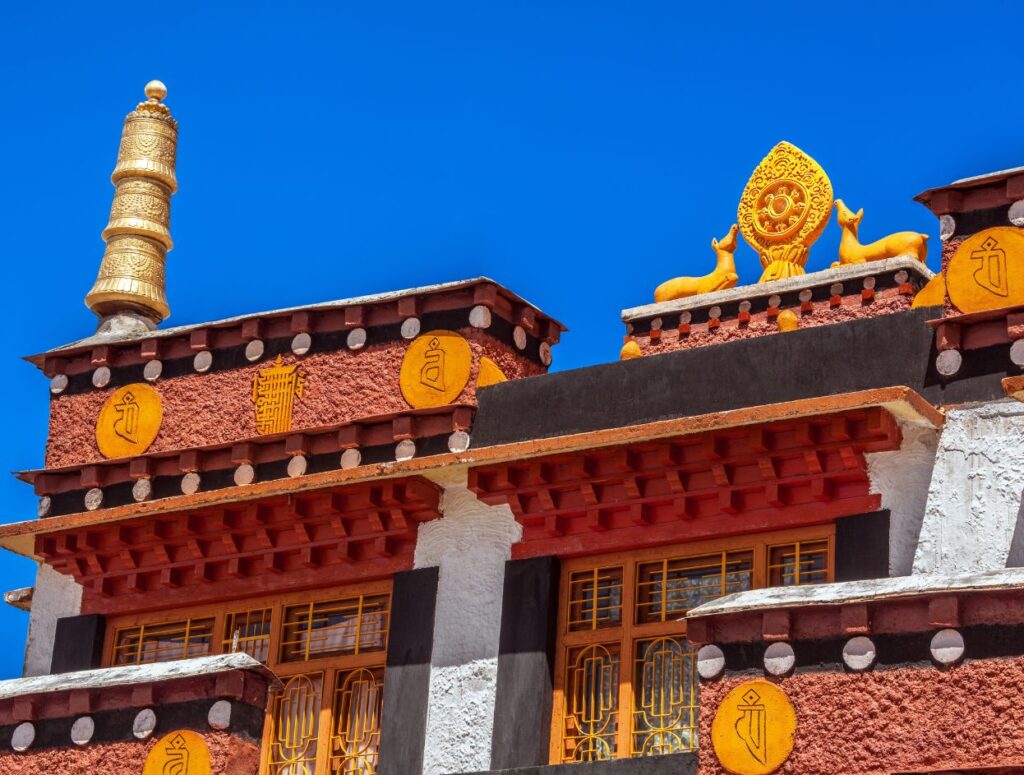
The Dukhang is the monastery’s largest gathering space and one of the most important places to visit during your time at Key Monastery, Spiti. If you visit when the hall is open, you’ll see where monks gather for festivals, ceremonies, and religious discussions throughout the year. Before moving on, spend a few minutes taking in the carved wooden pillars, vibrant paintings, and the central statue that anchors the space.
3. Library and Museum
Don’t miss the library and small museum while exploring Key Gompa. If you’d like to learn more about Key Monastery, spend some time in its library. Here you will be surprised to see Buddhist scriptures and handwritten Tibetan manuscripts, some dating back several centuries and having documented nearly a thousand years of monastic history. Before leaving, do not miss exploring the museum where you’ll see ceremonial robes, prayer instruments, matchlock muskets, swords, bronze statues, and other ritual artifacts once used by resident monks.
Things to Do at Key Monastery
1. Attend Morning Prayers
One of the best things to do at Key Monastery is to attend the early morning prayers, usually held between 6:00 and 7:00 AM. When you wake up before sunrise and begin the day with the monks’; prayers, it feels peaceful in a way that’s hard to describe. As they chant Buddhist scriptures together, butter lamps glow, incense drifts through the halls, bells ring softly, and the deep sound of ceremonial horns fills the monastery.
2. Watch the Chaam Dance
Visiting during the Key Gustor Festival gives you a chance to watch the traditional Chaam Dance, usually celebrated in July. At first, everyone simply watches as the courtyard stays surprisingly quiet. Then the monks appear in colorful robes and hand-painted masks. Later, you find yourself watching without looking away as the monks move to the sound of drums and horns. As the dance continues, each movement begins to tell a story, depicting Buddhist deities, the defeat of evil spirits, and rituals that Tibetan monks have preserved for centuries. Since the festival is a major highlight, you can plan Spiti Valley group tour packages around these dates.
3. Enjoy the Rooftop Views
Hidden above the prayer halls, Key Monastery’s rooftop is worth the short climb up its narrow stairways. You can feel the crisp air while the silence settles in, and see the Spiti River winds past villages like Rangrik and Kaza below. Stand here for a few minutes, and you’ll notice the barren Himalayan slopes change with the light on clear days and the distant Pir Panjal Range slowly comes into view.
Best Time to Visit Key Monastery
Wondering when is the best time to visit Key Monastery? Plan your visit between May and September, when the weather is pleasant and sightseeing is more comfortable. By then, the roads from Manali and Shimla are usually open, making the journey into Spiti much easier and far less unpredictable. Days are cool, with temperatures between 10°C and 20°C, making it comfortable to wander through the monastery and nearby villages like Kibber, Kaza, and Langza. Want the clearest mountain views? September is hard to beat.
The summer crowds have thinned, and the skies are often at their bluest. If you’d rather experience local traditions, visit in July or August during the Key Gustor Festival, when monks perform the masked Chaam Dance inside the monastery.
How to Reach Key Gompa
From Kaza
Key Gompa is located at a distance of about 15 km from Kaza. The drive takes 20 to 30 minutes. Shared taxis and private cabs are easy to find in the town. If you’re up for it, you can also trek from Kaza in around 4 to 5 hours with a Key Monastery guide.
From Manali
Key Gompa is about 200 km from Manali via Atal Tunnel, Gramphu, Batal, Kunzum Pass, Losar, and Kaza. The drive usually takes 8 to 10 hours, depending on road conditions. This route is generally open from June to October, when Kunzum Pass is clear of snow. HRTC buses and private taxis run during the season.
From Shimla
The journey from Shimla is about 422 km via Narkanda, Rampur, Reckong Peo, Nako, Tabo, and Kaza. Expect the drive to take 10 to 12 hours, though most travellers break it into two or three days. This route stays open for most of the year and is the better choice if you want to gain altitude gradually. HRTC buses and private taxis are available.
Nearby Attractions
Kibber Village
About 19 km from Key Monastery, Kibber sits at an altitude of 4,270 metres. The village looks out towards the rugged Spiti and Pir Panjal ranges, with wide-open landscapes all around. Try simple local dishes like thukpa, tingmo, or butter tea at a homestay. Many travellers on a Spiti Valley Tour Package 6 Days include Kibber for its peaceful setting and mountain views.
Chicham Bridge
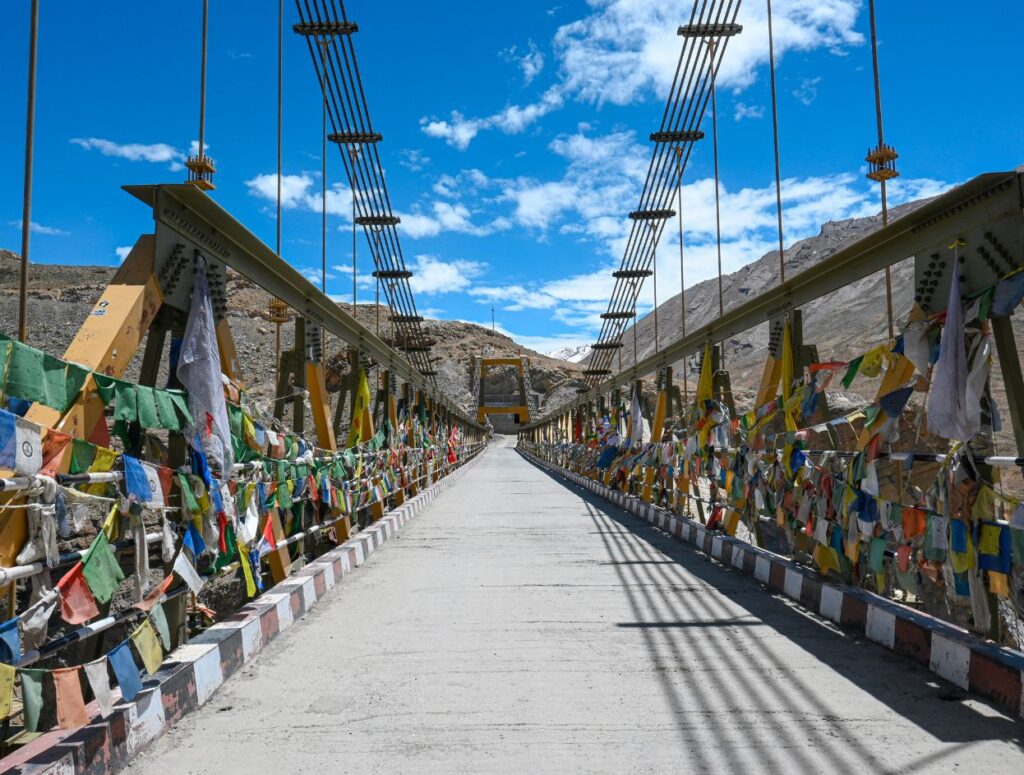
A drive of about 9 km from Kibber brings you to Chicham Bridge, which every Key Monastery tour guide recommends making time for. Suspended over the striking Samba Lamba Gorge at over 4,000 metres, it’s the kind of place that makes you stop and look around for a while. You’ll see endless brown mountains, sheer cliffs, and narrow roads winding through the valley.
Tashigang
If you have a little extra time, head to Tashigang, about 18 km from Key Monastery. Standing at roughly 4,650 metres, you’ll find yourself looking out over the vast Spiti Valley and the rugged Himalayan ranges. After you have enjoyed the views, you can treat yourself to freshly made momos and a comforting cup of butter tea with the locals.
There’s no right way to experience Key Monastery, but giving yourself extra time makes all the difference. Walk through its prayer halls, admire the views across the Spiti Valley, and make time for nearby villages like Kibber and Chicham. The experience isn’t just about seeing the place but it’s about taking the time to absorb it.




Sorry, the comment form is closed at this time.